
The pursuit of optimal liver health has become a cornerstone of modern wellness in the United States. With the rise of processed foods, environmental toxins, and sedentary lifestyles, many Americans are turning to specialized supplements like HepatoBurn to support their metabolic and detoxification pathways. However, as with any potent dietary intervention, understanding the profile of HepatoBurn Side Effects & Safety is paramount for achieving results without compromising your well-being. This comprehensive guide provides an evidence-based deep dive into what you can expect when incorporating this supplement into your daily routine.
1. Introduction
1.1 What is HepatoBurn?
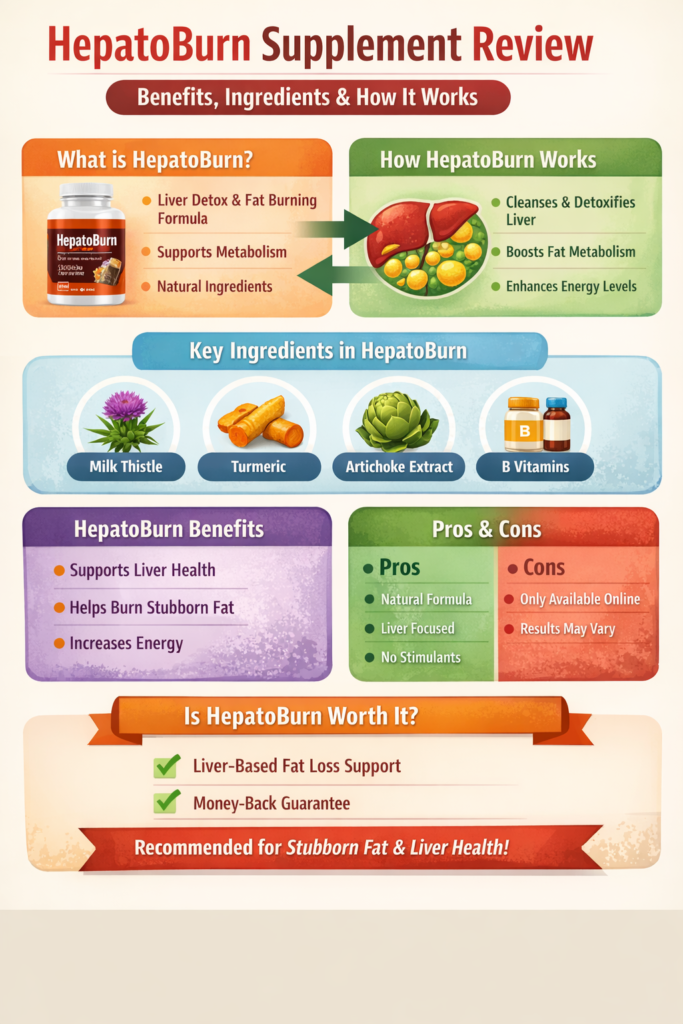
HepatoBurn is a sophisticated dietary supplement engineered to address the dual challenges of liver sluggishness and metabolic inefficiency. Unlike traditional “fat burners” that rely on heavy stimulants, HepatoBurn focuses on the biological premise that a healthy liver is the primary engine for fat metabolism. It utilizes a blend of plant-based extracts, antioxidants, and minerals designed to assist the liver in its 500+ essential functions, including bile production, toxin filtration, and nutrient storage. In the 2026 wellness landscape, it has gained traction among users looking for a holistic approach to weight management and internal cleansing.
1.2 Why Safety and Side Effects Matter
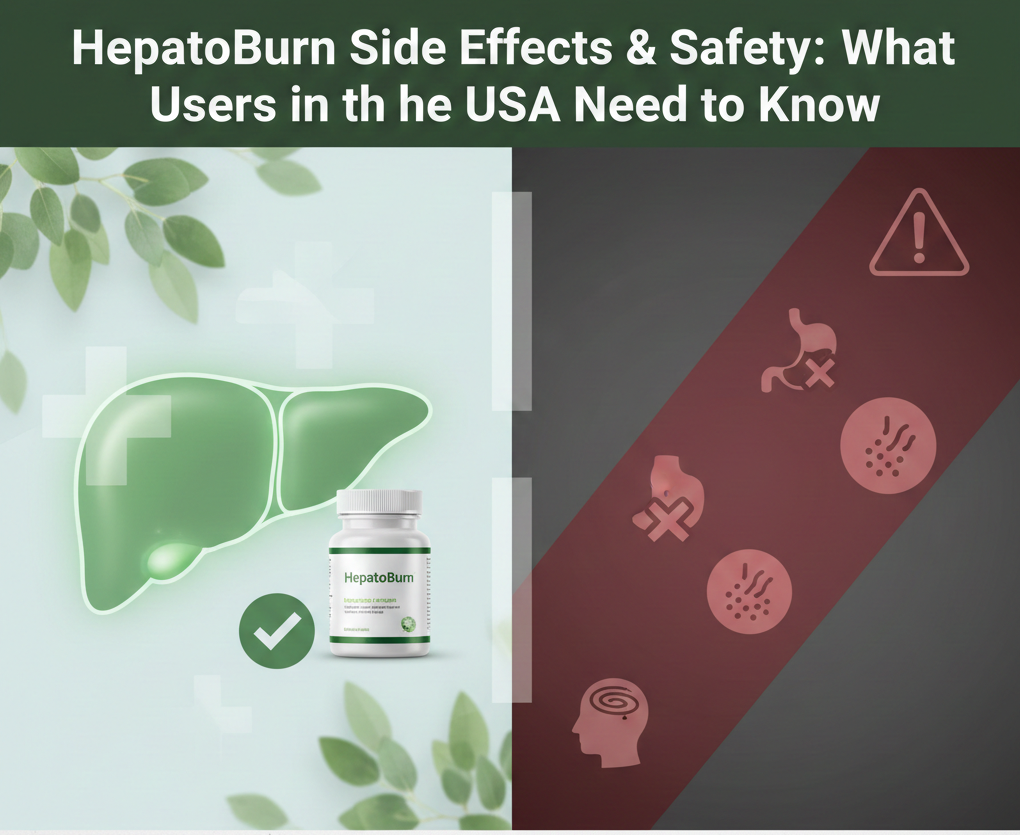
When it comes to HepatoBurn Side Effects & Safety, transparency is the key to consumer trust and physical health. The liver is a sensitive organ; introducing concentrated herbal extracts requires a balanced understanding of how these substances interact with your unique physiology. While many supplements claim to be “100% natural,” natural does not always mean “side-effect-free.” For USA users, who often navigate a complex market of wellness products, knowing the potential reactions—from mild digestive shifts to rare allergic responses—ensures that the journey toward health remains safe and sustainable.
1.3 Who Should Read This Guide (Target Audience)
This guide is specifically crafted for health-conscious individuals in the USA who are either currently using or considering HepatoBurn. This includes people struggling with metabolic slowing, those seeking to detoxify after periods of dietary indulgence, and fitness enthusiasts aiming to optimize their internal organ health for better performance. It is also an essential resource for caregivers or healthcare curious individuals who want to understand the clinical and anecdotal safety profile of liver-support supplements before recommending them or starting a new regimen themselves.
2. Understanding HepatoBurn
2.1 Ingredients Overview
The efficacy and safety of any supplement are rooted in its “label transparency.” HepatoBurn features a synergistic blend of ingredients that have been historically and clinically studied for their hepatoprotective (liver-protecting) properties.
Key Active Ingredients
The formulation typically centers around a “powerhouse” list of nutrients:
- Milk Thistle (Silymarin): The gold standard for liver repair and protection.
- Artichoke Extract (Cynarin): Known for stimulating bile flow and improving digestion.
- Berberine: A potent alkaloid that supports healthy blood sugar levels and metabolic rate.
- N-Acetyl Cysteine (NAC): A precursor to glutathione, the body’s “master antioxidant.”
- Turmeric (Curcumin): Focused on reducing systemic inflammation.
Herbal vs. Synthetic Components
HepatoBurn prides itself on a predominantly herbal composition. By choosing plant-derived extracts over synthetic chemical stimulants, the supplement aims to reduce the “jittery” side effects often associated with weight loss products. This distinction is vital for users who are sensitive to caffeine or artificial dyes. However, the concentration of these herbs means they are biologically active; thus, even though they are “natural,” they must be handled with the same respect as any physiological agent to ensure maximum HepatoBurn Side Effects & Safety standards.
2.2 Claimed Benefits
The marketing of HepatoBurn centers on the idea of “Metabolic Liver Optimization.” The primary claims include:
- Liver Health Support: Helping the liver regenerate cells and filter blood more effectively.
- Detox and Metabolism: Breaking down fat-soluble toxins that can be stored in adipose tissue, thereby “unlocking” weight loss.
- Energy Restoration: By improving nutrient processing, users often report a significant reduction in “brain fog” and afternoon fatigue. These benefits are designed to work cumulatively, with the most significant changes often appearing after 60 to 90 days of consistent use.
2.3 How It Works in the Body
HepatoBurn operates through a multi-stage biological process. First, it provides the liver with the raw materials needed to produce glutathione, which neutralizes free radicals produced during detoxification. Second, ingredients like Artichoke Extract promote the secretion of bile. Bile is the “detergent” of the body; it emulsifies fats, making them easier to burn for energy and ensuring that toxins are carried out of the body via the digestive tract. Lastly, it helps stabilize insulin sensitivity, preventing the liver from storing excess glucose as fat, which is a common cause of “fatty liver” issues.
3. Commonly Reported Side Effects
Regarding HepatoBurn Side Effects & Safety, the vast majority of users report a smooth experience. However, some minor adjustments are common as the body adapts to the increased nutrient load and detoxification activity.
3.1 Digestive System Reactions
The digestive system is often the first to react when you introduce liver-supporting herbs. These symptoms are usually temporary and signify the body’s shifting metabolic processes.
- Nausea: Occasionally, users taking the supplement on an empty stomach may feel a slight wave of nausea. This is often due to the bitter compounds in herbs like Dandelion or Milk Thistle, which stimulate gastric juices.
- Upset Stomach: A minor cramping or “heavy” feeling in the abdomen may occur during the first few days.
- Bloating: As bile production increases and gut flora adjusts to the new herbal intake, temporary gas or bloating can occur.
3.2 Allergic Responses
While rare, allergic reactions are a critical part of the HepatoBurn Side Effects & Safety conversation. Most reactions are mild and related to botanical sensitivities.
- Rash: A localized skin irritation or “detox rash” can occur if a user is sensitive to the Asteraceae/Compositae family (which includes milk thistle and artichoke).
- Itching: Generalized itching without a rash may be a sign of mild sensitivity.
- Swelling: Any swelling of the lips, tongue, or throat is a serious sign of a true allergy and requires immediate cessation of the product.
3.3 Headaches and Dizziness
Some users report mild “detox headaches” in the first week. As the liver processes stored toxins and releases them into the bloodstream for elimination, the brain may react with a dull ache. Dizziness is less common but can occur if the supplement significantly impacts blood sugar levels (due to Berberine) or if the user is not drinking enough water to support the increased metabolic demand.
3.4 Other Mild Side Effects
Other reported experiences include a “metallic taste” in the mouth (often associated with NAC or liver detox) and changes in sleep patterns. Because HepatoBurn can increase energy levels, taking it too late in the evening might cause some users to feel overly alert when they are trying to wind down.
4. Serious Side Effects & When to Worry
While the standard profile of HepatoBurn Side Effects & Safety is mild, users must remain vigilant for rare but serious reactions that indicate the supplement is not compatible with their specific health profile.
4.1 Liver Function Abnormalities
Paradoxically, while HepatoBurn is designed to support the liver, certain individuals may have a “hypersensitive” reaction to concentrated extracts. Signs of liver stress include jaundice (yellowing of the eyes or skin), dark urine, and persistent pain in the upper right abdomen. If your routine blood work shows a sudden, unexplained spike in liver enzymes (ALT/AST) after starting the supplement, it is a clear signal to stop and consult a hepatologist.
4.2 Severe Allergic Reactions (Anaphylaxis)
Though extremely rare in the context of dietary supplements, anaphylaxis is a life-threatening emergency. Users who have known severe allergies to ragweed, daisies, or marigolds should exercise extreme caution, as the ingredients in HepatoBurn are often related to these plants. Symptoms include difficulty breathing, rapid pulse, and a drop in blood pressure.
4.3 Interactions with Prescription Medications
The most significant safety concern for many USA users is how HepatoBurn interacts with their current medications.
- Blood Thinners: Ingredients like Resveratrol and Turmeric have mild anti-coagulant properties. If taken with Warfarin or Aspirin, they could increase the risk of bruising or bleeding.
- Diabetes Medication: Berberine is highly effective at lowering blood sugar. When combined with Metformin or Insulin, it could lead to hypoglycemia (dangerously low blood sugar).
4.4 Symptoms That Require Immediate Medical Attention
If you experience any of the following, discontinue use immediately and call a healthcare provider:
- Severe, persistent abdominal pain.
- Significant swelling of the face or throat.
- Confusion or extreme lethargy.
- Vomiting that does not subside.
5. Safety Guidelines for Users in the USA
Ensuring a positive experience with HepatoBurn Side Effects & Safety involves following a disciplined approach to supplementation.
5.1 Consultation with Healthcare Providers
In the USA, the “Gold Standard” for safety is professional consultation. Before starting HepatoBurn, bring the ingredient list to your primary care physician or a registered dietitian. This is especially crucial if you are over the age of 65, as the liver and kidneys process supplements differently as we age.
5.2 Starting with a Low Dose
While the label provides a standard dosage (usually two capsules), many experts suggest a “taper-in” approach. Starting with a half-dose for the first 3-5 days allows your digestive system to adapt to the herbs without being overwhelmed, significantly reducing the likelihood of initial nausea or bloating.
5.3 Monitoring for Side Effects
Keep a “Supplement Journal” for the first 30 days. Note your energy levels, digestion, and any skin changes. This data is invaluable if you need to discuss your progress with a doctor and helps you distinguish between a “detox phase” and a genuine adverse reaction.
5.4 Safe Use During Pregnancy & Breastfeeding
HepatoBurn is generally not recommended for pregnant or nursing women. The liver-cleansing herbs and metabolic stimulators have not been extensively studied for fetal safety. Pregnancy is a time of extreme hormonal flux, and introducing potent liver-altering substances could interfere with the delicate balance required for fetal development.
5.5 Use with Pre-Existing Conditions
Individuals with a history of gallstones or bile duct obstructions must be extremely careful. Because HepatoBurn increases bile production, it could inadvertently trigger a gallbladder attack by forcing a stone into a duct. Always get a “clear” from a gastroenterologist if you have a history of gallbladder issues.
6. Drug Interactions & Contraindications
Understanding the “biochemical traffic jams” that can occur when mixing supplements and drugs is a vital part of HepatoBurn Side Effects & Safety.
6.1 Common Medications to Watch Out For
| Medication Class | Potential Interaction | Risk Level |
| Anticoagulants | Increased bleeding risk due to Turmeric/Resveratrol | Moderate |
| Statins | Potential for altered liver enzyme processing | Low-Moderate |
| Antidiabetics | Enhanced glucose-lowering effect (Hypoglycemia) | High |
| Immunosuppressants | Some herbs may stimulate the immune system | Moderate |
6.2 Herbal and Supplement Interactions
Mixing HepatoBurn with other “heavy” supplements can tax the liver. Avoid taking it simultaneously with high doses of Vitamin A (which can be toxic to the liver in excess) or other fat burners containing high amounts of green tea extract or usnic acid.

6.3 Alcohol and HepatoBurn
While HepatoBurn is often used to “repair” the liver after alcohol consumption, taking them at the same time is counterproductive. Alcohol puts immediate stress on the liver’s processing capacity; adding a metabolic supplement simultaneously can lead to increased nausea and reduced efficacy of the nutrients.
7. Regulatory Status in the USA
The regulatory landscape is a common source of confusion regarding HepatoBurn Side Effects & Safety.
7.1 FDA Classification of HepatoBurn
In the USA, HepatoBurn is classified as a Dietary Supplement. This means it falls under the Dietary Supplement Health and Education Act of 1994 (DSHEA). Crucially, the FDA does not “approve” dietary supplements for safety or effectiveness before they are marketed. Instead, the manufacturer is responsible for ensuring safety.
7.2 What FDA Regulation Means for Users
While the product isn’t “FDA Approved” like a drug, the facility where it is made should be FDA Registered and GMP (Good Manufacturing Practices) Certified. This ensures that what is on the label is actually in the bottle and that the product is free from contaminants like heavy metals or bacteria.
7.3 Reporting Side Effects to Authorities
If you experience a significant adverse event, you can report it directly to the FDA via the Safety Reporting Portal. This helps the government track “clusters” of issues and ensures that the public is protected from potentially dangerous batches.
8. Real User Experiences & Reports
Examining anecdotal evidence provides a “real-world” look at HepatoBurn Side Effects & Safety.
8.1 Positive User Feedback
Many users in 2025 and early 2026 have reported life-changing results. Common themes include:
- “Significant reduction in belly bloat within two weeks.”
- “Steady energy throughout the day without the afternoon crash.”
- “Improved clarity and focus during work hours.”
8.2 Reported Adverse Reactions
Some users have shared negative experiences, primarily involving:
- “Digestive upset that lasted for the first 5 days.”
- “Mild skin breakouts” (which some attribute to the body purging toxins).
- “Ineffectiveness for weight loss” when not accompanied by dietary changes.
8.3 What Consumer Reviews Reveal About Safety
A meta-analysis of reviews on platforms like Reddit and specialized health forums suggests that safety is high when directions are followed. Most “complaints” are not about safety, but rather about the speed of results. This indicates that the supplement is gentle, which is a positive sign for long-term safety.
9. Risk Reduction Strategies
To maximize the benefits of HepatoBurn while minimizing risks, consider these strategic lifestyle adjustments.
9.1 Lifestyle & Diet Complementary to HepatoBurn
Supplements work best in a “clean” environment. To support your liver while taking HepatoBurn:
- Hydrate: Aim for at least 3 liters of water a day to flush the toxins the liver is processing.
- Fiber: Eat plenty of cruciferous vegetables (broccoli, kale) to help bind toxins in the gut.
- Reduce Sugar: High fructose intake is the primary cause of liver stress; reducing it allows HepatoBurn to focus on repair rather than “firefighting.”
9.2 Signs to Stop Use
You should stop taking HepatoBurn if you notice:
- Persistent dark-colored urine.
- Chronic fatigue that feels “different” from normal tiredness.
- Unexplained itching or skin yellowing.
9.3 Alternatives & Safer Options
If you find HepatoBurn too potent, consider “food-first” liver support. Drinking warm lemon water in the morning, increasing your intake of beets and dandelion greens, and practicing intermittent fasting can provide similar (though slower) liver-cleansing benefits with virtually zero risk of side effects.
10. FAQs on HepatoBurn Side Effects & Safety
Is HepatoBurn safe for long-term use?
Most of the ingredients, like Milk Thistle and Turmeric, are safe for long-term consumption. However, it is often recommended to “cycle” the supplement—taking it for 3 months and then taking a 2-week break—to prevent the body from becoming too reliant on the external support.
Can HepatoBurn damage the liver?
For a healthy person following the dosage, liver damage is highly unlikely. However, in individuals with pre-existing undiagnosed liver disease, any concentrated supplement can put additional strain on the organ.
Should I take HepatoBurn with other supplements?
It is generally safe to take with a multivitamin. Avoid taking it with other “detox” teas or heavy weight-loss pills to prevent over-stimulating your metabolic pathways.
11. Conclusion
11.1 Summary of Key Safety Points
In summary, HepatoBurn Side Effects & Safety are generally favorable for the average healthy adult in the USA. Most side effects are digestive and transient. However, the importance of monitoring your body’s reaction, staying hydrated, and checking for drug interactions (especially with blood thinners and diabetes meds) cannot be overstated.
11.2 Final Recommendations
If you are looking for a natural way to revitalize your metabolism and support your liver, HepatoBurn offers a scientifically-grounded formula. To ensure the best results, start slowly, consult your doctor, and remember that no supplement can replace the foundational benefits of a balanced diet and an active lifestyle.